
Office Address
Seville, Spain
Seville, Spain
Phone Number
+(34) 624 816 969
Email Address
info@forgenex.com
Available on Google Play

Seville, Spain
Seville, Spain
+(34) 624 816 969
info@forgenex.com







 by ForgeNEX
 The battle between X (formerly Twitter) and Nitter has escalated to a new level. What began as a series of cease-and-desist letters against the popular open-source alternative front-end has now turned into a direct attack on its source code. This move not only affects Nitter's developers but also raises critical questions about the sustainability of decentralized alternatives and the future of privacy on social media.
Table of contents [Show]
For system administrators and developers, Nitter has been an essential tool for years. It allows access to Twitter/X content without JavaScript, without tracking, and with minimal data footprint. It is especially valuable in environments where privacy is critical or resources are limited. Its open-source nature has allowed anyone to deploy it on their own server, offering a lightweight and privacy-respecting alternative.
X's attack is not limited to Nitter's public domains but now seeks to remove the source code from platforms like GitHub. This represents an existential threat not only to Nitter but to the ecosystem of tools that rely on interoperability with major platforms.
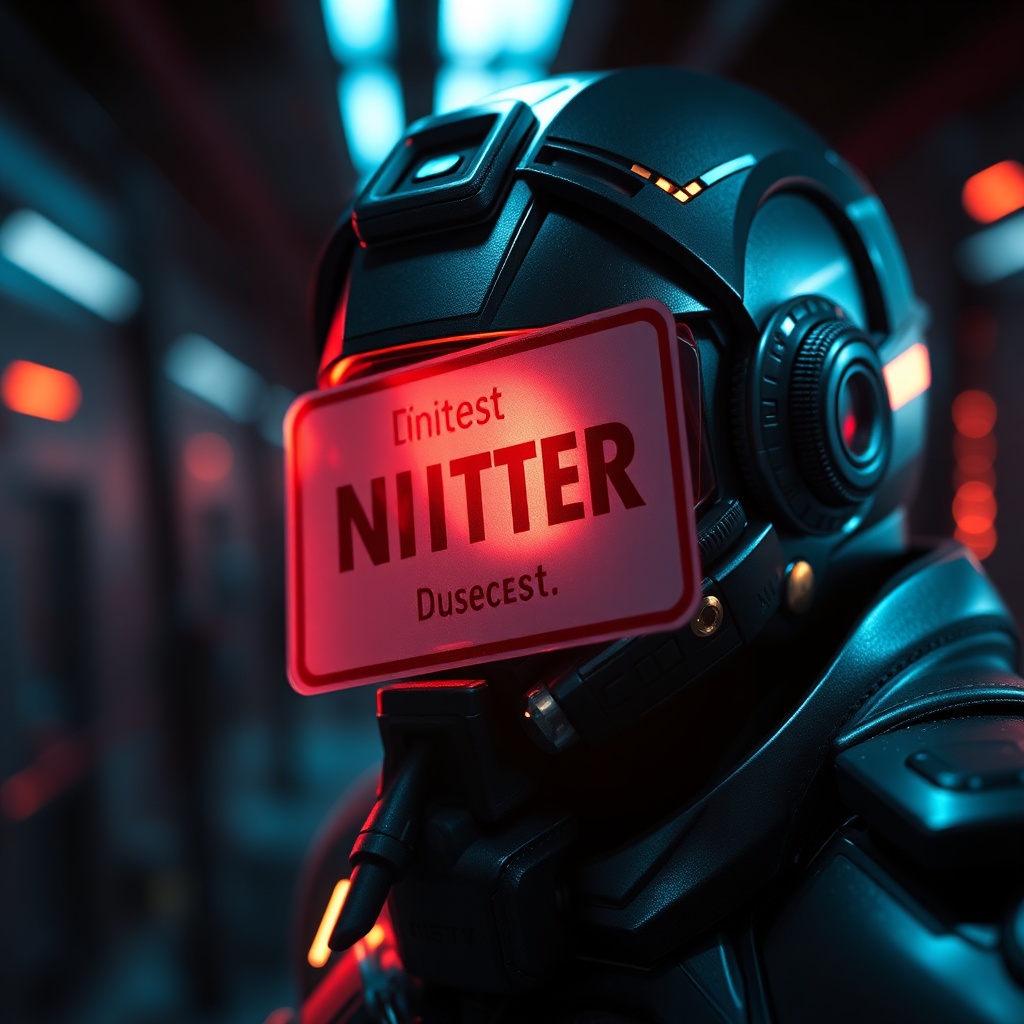
For IT professionals, this situation is a reminder of the fragility of relying on third-party services. Any tool that interacts with APIs or interfaces of large platforms can be targeted by legal actions. This has direct implications for infrastructure planning and technology choices.
Administrators who have deployed Nitter on their servers must consider alternatives or prepare for service disruption. Furthermore, the attack on the source code could lead to the project's demise, leaving many without a viable solution. It is crucial to evaluate the long-term sustainability of any open-source tool that depends on a centralized platform.
From a business perspective, X's action underscores the tension between intellectual property protection and open innovation. Companies using tools like Nitter must weigh legal and operational risks. The privacy and efficiency offered by these alternatives come at a cost, and now that cost may include legal instability.
For organizations, this is a call to diversify their tools and not rely on a single vendor or project. Business resilience in the digital age requires flexibility and the ability to adapt quickly to changes in the technological ecosystem.

This case also highlights the vulnerability of open-source projects to legal actions. Although Nitter's license is permissive, legal pressure can be enough to deter maintainers. The open-source community must seek ways to protect these projects, whether through stronger legal structures or decentralization of infrastructure.
For developers, the lesson is clear: innovation does not happen in a vacuum, and external dependencies can be an Achilles' heel. It is essential to contribute to projects that promote interoperability and net neutrality, and to support initiatives that defend users' rights.
Nitter's future is uncertain, but its legacy will endure. This case has sparked a necessary debate about the balance of power between platforms and the tools that make them more accessible. For IT professionals, it is an opportunity to reflect on their own strategies and ensure their infrastructures are robust against market fluctuations.
At ForgeNEX, we will continue to closely follow this topic and its implications for the technical community. Meanwhile, we recommend our readers stay informed and consider alternatives that do not rely on a single point of failure.
Source: The New Stack. ForgeNEX Analysis.
