
Office Address
Seville, Spain
Seville, Spain
Phone Number
+(34) 624 816 969
Email Address
info@forgenex.com
Available on Google Play

Seville, Spain
Seville, Spain
+(34) 624 816 969
info@forgenex.com






 by ForgeNEX
 Table of contents [Show]
In the era of digital transformation, smart offices are no longer a luxury but a necessity to optimize resources, improve comfort, and reduce operational costs. At ForgeNEX, we have implemented an advanced home automation solution based on Home Assistant that has revolutionized the way we manage our workspaces. This success story demonstrates how intelligent automation can be seamlessly integrated into corporate environments, offering total control over lighting, climate, security, and energy efficiency.
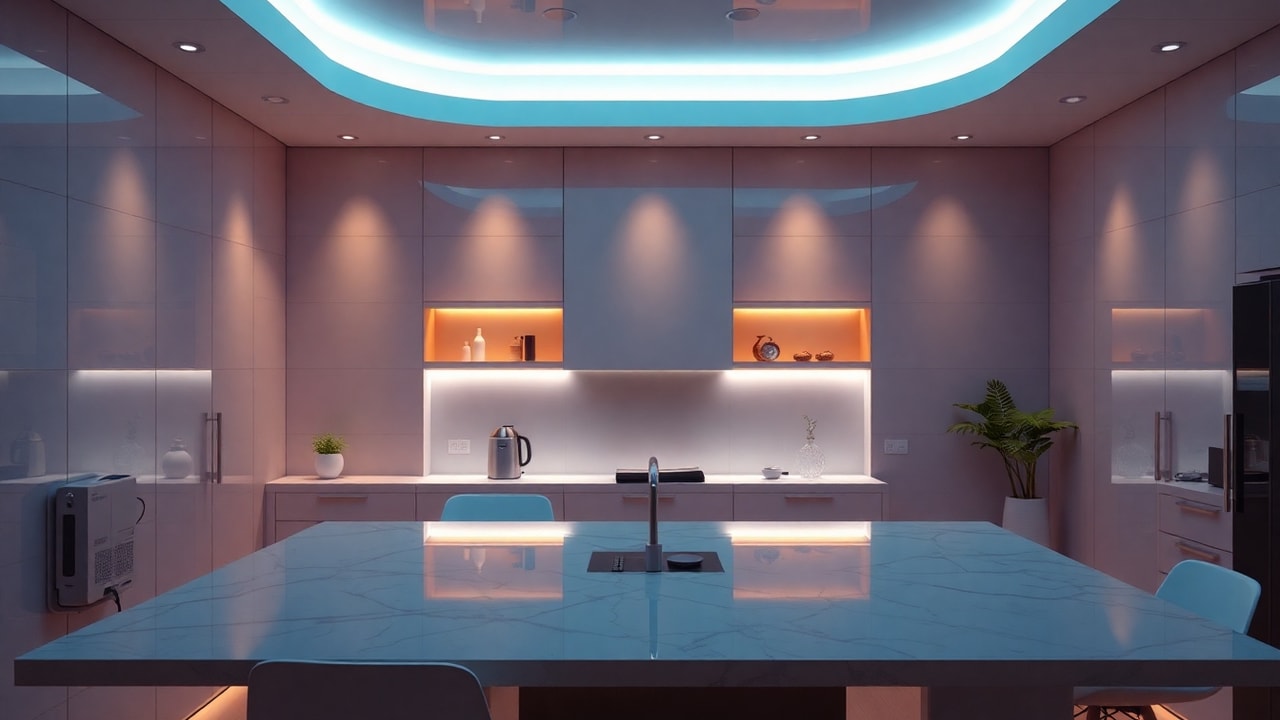
Our office had independent systems for lighting, climate, and security, each with its own controller and application. This led to inefficiencies, unnecessary energy consumption, and a fragmented user experience. We needed a unified platform that could integrate all devices, enable complex automations, and offer a user-friendly interface for administrative staff.
We decided to go with Home Assistant, an open-source solution known for its flexibility, compatibility with over 2000 devices, and focus on privacy. Additionally, its active community and constant evolution make it an ideal choice for enterprise environments seeking scalability and total control.
The implementation was carried out in three phases:
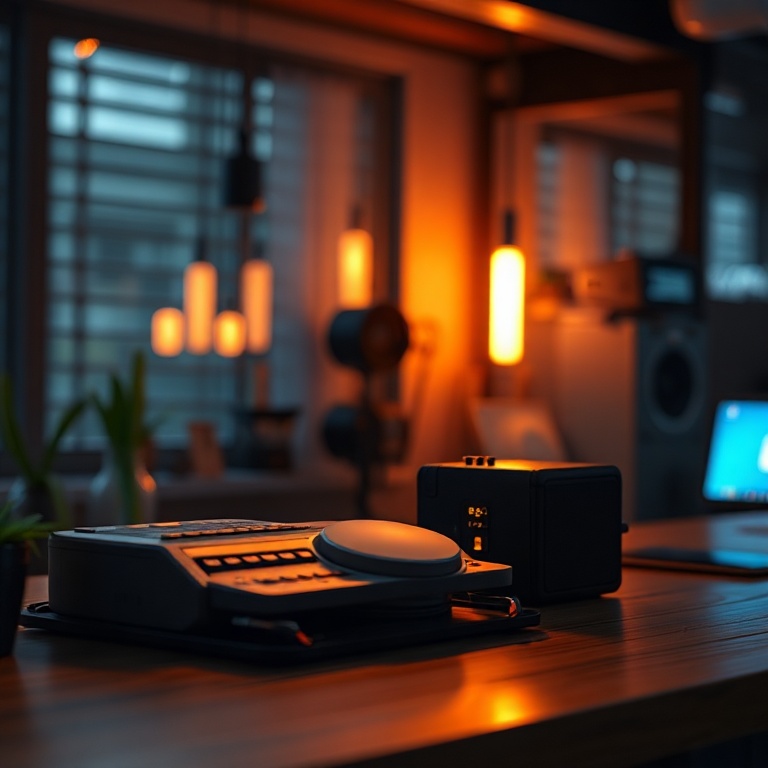
The results exceeded our expectations. In the first six months, we achieved:
Additionally, the platform has allowed us to monitor real-time metrics, facilitating data-driven decision-making. If you want to delve deeper into how we secured our infrastructure, we recommend our guide on Linux server hardening and maintenance.
During the process, we identified several key factors that ensured the project's success:
Home Assistant's flexibility allowed us to tailor solutions, such as integrating with our meeting room booking system. When a room is booked, lighting and climate automatically activate, and upon completion, everything returns to a low-consumption state.
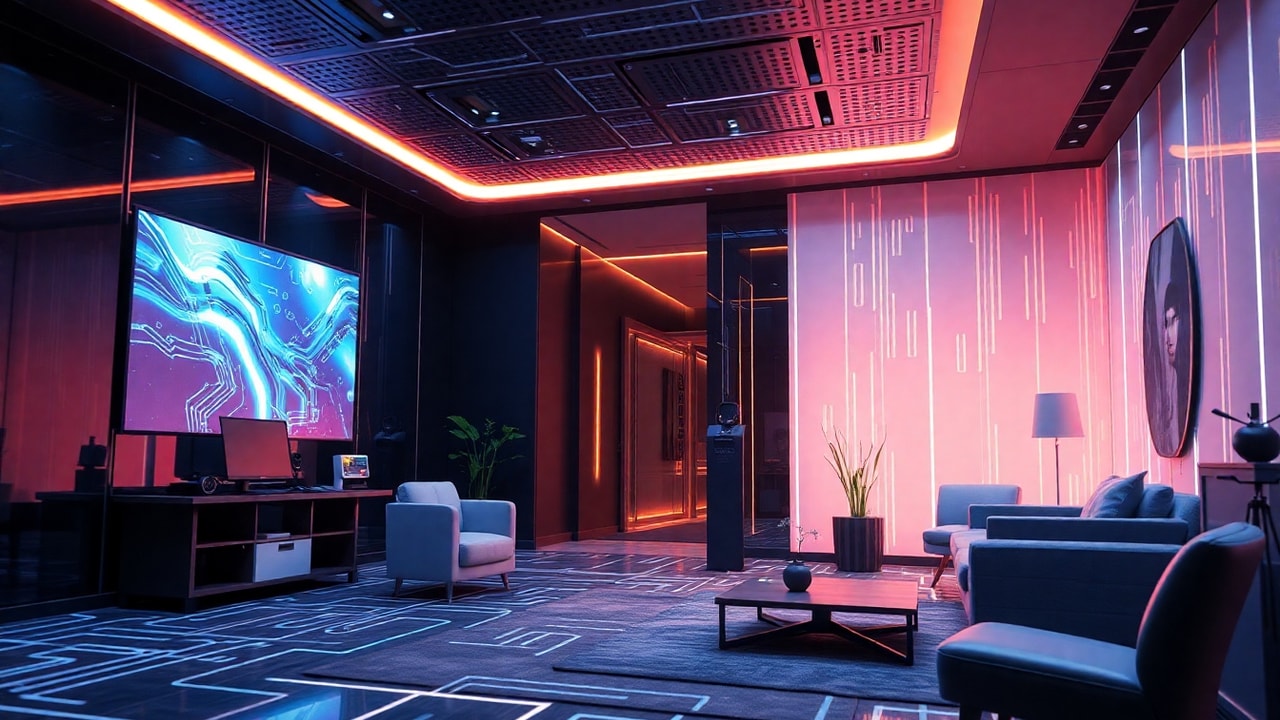
This success story is just the beginning. We are exploring new integrations with voice assistants and AI systems to take home automation to the next level. The trend toward smart offices is booming, and platforms like Home Assistant are key to achieving efficient and sustainable management.
If you are considering implementing a similar solution in your company, we invite you to explore more in our Automation and observability category and discover how technology can transform your workspace. Advanced home automation is not just an investment in technology, but in the well-being of your employees and the future of the planet.
